Commerce Glossary
This glossary will help you discover commonly used words in commerce.
- Accounting
- noun
- The action or process of keeping financial accounts.
- Example: The actual change concerns the accounting system and information system, particularly important to the distribution of power within organisations.
- en: Comptabilité

- Broker
- noun
- A person who buys and sells goods or assets for others.
- Example: The centralized lenders operate through brokers.
- en: Courtier/Courtière

- Commerce
- noun
- The activity of buying and selling, especially on a large scale.
- Example: Venice contributed to the re-opening of the Mediterranean economy to Western European commerce.
- en: Commerce

- Currency
- noun
- A system of money in general use in a particular country.
- Example: The dollar was a strong currency.
- en: Devise
/GettyImages-173572377-57a63a2b5f9b58974a3bc35b.jpg)
- Deficit
- noun
- Deficit spending is the amount by which spending exceeds revenue over a particular period of time, also called simply deficit, or budget deficit; the opposite of budget surplus.
- Example: China poses a threat because of its infiltration into the US capital market resulting in a deficit crisis.
- en: Déficit

- Equity
- noun
- The value of the shares issued by a company.
- Example: He owns 62% of the group's equity.
- en: Fonds

- Exchange rate
- noun
- The value of one currency for the purpose of conversion to another.
- Example: The exchange rate of the dollar against the Deutschmark.
- en: Taux de change
/GettyImages-123716978-b8f4b1e248a64dc4ab637256d7c61e3f.jpg)
- Exportation
- noun
- The act of sending something to another country for sale.
- Example: The model suggests that policymakers should focus on supporting the exportation of those goods that can be produced with resources in which they are naturally abundant.
- en: Exportation

- Importation
- noun
- The bringing of goods or services into a country from abroad for sale.
- Example: The higher its transport and importation costs are and the less competitive its exports become.
- en: Importation
:max_bytes(150000):strip_icc()/GettyImages-968819844-f084399962054d939aff07fd3946132e.jpg)
- Inventory
- noun
- A complete list of items such as property, goods in stock, or the contents of a building.
- Example: In our warehouse you'll find a large inventory of new and used bicycles.
- en: Inventaire

- Market
- noun
- A regular gathering of people for the purchase and sale of provisions, livestock, and other commodities.
- Example: The benefits of and reasons for change should be clearly explained to employees (i.e. because of a tougher market place - the change will safeguard the business and employment).
- en: Marché

- Marketing
- noun
- The action or business of promoting and selling products or services, including market research and advertising.
- Example: Increasingly firms have been observed to allocate a larger budget to marketing their products as either being "environmentally friendly" or "does not abuse child labor" at the expense of their profit margins.
- en: Commercialisation

- Monopoly
- noun
- The exclusive possession or control of the supply of or trade in a commodity or service.
- Example: His likely motive was to protect his regional monopoly on furs.
- en: Monopole

- Order fulfillment
- noun
- Order fulfillment is in the most general sense the complete process from point of sales inquiry to delivery of a product to the customer.
- en: L'exécution des commandes

- Preference share
- noun
- A share which entitles the holder to a fixed dividend, whose payment takes priority over that of common-stock dividends.
- Example: Converting preference share into Ordinary Share by 29% reduced the Creditors.
- en: Part d'actions

- Seller
- noun
- A person who sells something.
- Example: A monopoly is where the market for a product is dominated by a single seller.
- en: Vendeur/Vendeuse

- Stock exchange
- noun
- The level of prices in the stock market.
- Example: The graph below shows the daily prices on the New York stock exchange of the General Electric common stock from December 1999 to December 2000.
- en: Bourse

- Trade
- noun
- The action of buying and selling goods and services.
- Example: Hong Kong was quickly becoming a centre for business and commerce generating employment and trade opportunities.
- en: Échanger

- Volatility
- noun
- In finance, volatility (usually denoted by σ) is the degree of variation of a trading price series over time, usually measured by the standard deviation of logarithmic returns.
- Example: Crucially, any changes in a derivative's value can be recognised over the life of the hedge, allowing companies to avoid the volatility that market-value accounting creates.
- en: Volatilité

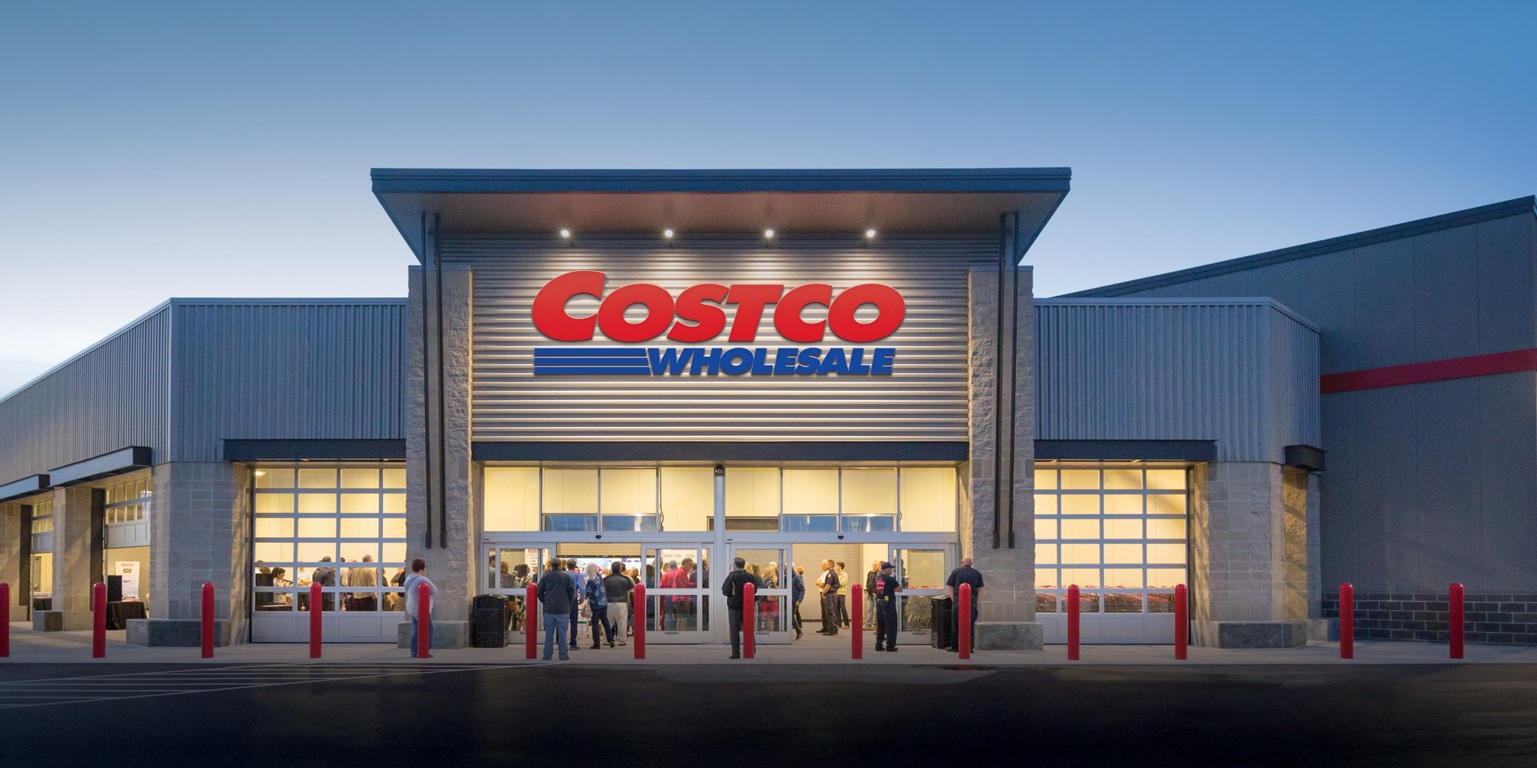
- Wholesale
- noun
- The selling of goods in large quantities to be retailed by others.
- Example: It operates by outsourcing 56% of product lines through its strategic alliance with Nisa Today's, the UK's largest buying group for independent retail and wholesale companies.
- en: La vente en gros